Police and Army Salary in Nigeria: What You Need to Know
When it comes to serving Nigeria through uniformed agencies, the Nigerian Police Force and the Nigerian Army are among the most prominent and respected institutions. Both play crucial roles in ensuring the safety, peace, and territorial integrity of the nation. But while their duties differ significantly, one question that often arises in the minds of many is: How much do they earn? In this article, we’ll provide a detailed overview of the salary structure of both the Nigerian Police and the Nigerian Army, highlighting the differences and key points you need to understand.
Understanding the Structure
Before diving into the figures, it’s important to understand that both the Nigerian Police and the Nigerian Army operate under different commands and structures. The Police is a paramilitary agency under the Ministry of Police Affairs, while the Army is part of the Nigerian Armed Forces, under the Ministry of Defence.
Hot Recruitments 2025🔥
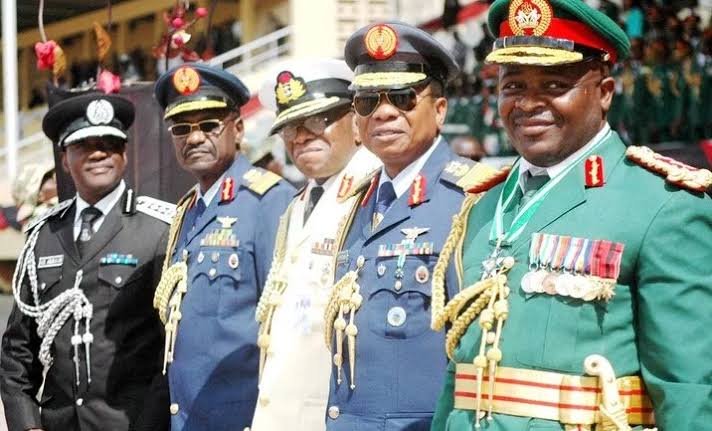
Both institutions follow a rank-based salary structure, where the pay increases as an officer moves higher in rank. Each rank comes with its own responsibilities, allowances, and benefits.
Nigerian Police Salary Structure
The Nigerian Police Force has various ranks, starting from Constable to Inspector-General. Below is a general idea of the monthly salaries across various police ranks:
- Police Constable (Lowest rank) – ₦70,000 to ₦80,000
- Corporal – ₦80,000 to ₦90,000
- Sergeant – ₦95,000 to ₦110,000
- Inspector – ₦120,000 to ₦140,000
- Assistant Superintendent of Police (ASP) – ₦160,000 to ₦180,000
- Deputy Superintendent of Police (DSP) – ₦200,000 to ₦220,000
- Superintendent of Police (SP) – ₦250,000 to ₦270,000
- Chief Superintendent of Police (CSP) – ₦280,000 to ₦300,000
- Assistant Commissioner of Police (ACP) – ₦310,000 to ₦350,000
- Deputy Commissioner of Police (DCP) – ₦400,000 to ₦450,000
- Commissioner of Police (CP) – ₦480,000 to ₦550,000
- Deputy Inspector General (DIG) – ₦750,000 to ₦850,000
- Inspector-General of Police (IGP) – ₦1.5 million and above
Note: These figures may vary slightly depending on government adjustments or specific roles.
Trending Topics🔥
Nigerian Army Salary Structure
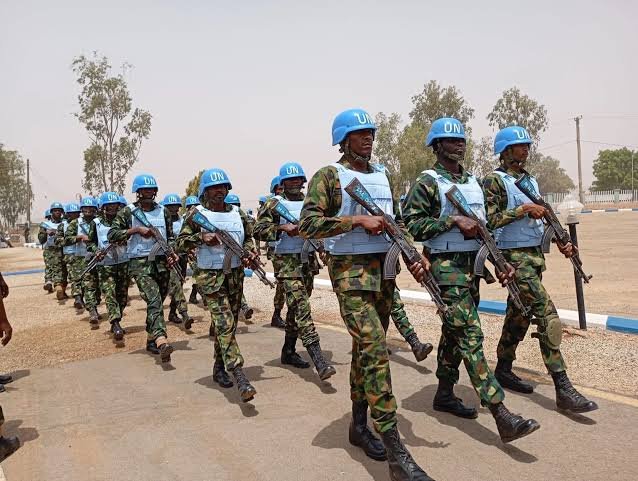
Just like the police, the Nigerian Army operates with a strict rank hierarchy. Army ranks range from Private (entry-level) to General (the highest-ranking officer). Here’s a breakdown of typical monthly salaries in the Army:
- Private (entry-level) – ₦60,000 to ₦70,000
- Lance Corporal – ₦75,000 to ₦85,000
- Corporal – ₦90,000 to ₦100,000
- Sergeant – ₦110,000 to ₦120,000
- Staff Sergeant – ₦130,000 to ₦150,000
- Warrant Officer – ₦180,000 to ₦200,000
- Master Warrant Officer – ₦210,000 to ₦250,000
- Second Lieutenant – ₦270,000 to ₦300,000
- Lieutenant – ₦300,000 to ₦350,000
- Captain – ₦360,000 to ₦400,000
- Major – ₦420,000 to ₦480,000
- Lieutenant Colonel – ₦500,000 to ₦600,000
- Colonel – ₦620,000 to ₦750,000
- Brigadier General – ₦800,000 to ₦950,000
- Major General – ₦1 million to ₦1.2 million
- Lieutenant General – ₦1.5 million and above
- General (COAS) – ₦2 million and above
Allowances such as operations allowance, housing, uniform, and transport may apply depending on assignment.
Key Differences Between Police and Army Salaries
- Starting Point: The Army salary for entry-level (Private) is generally a bit lower than the Police Constable but becomes more competitive as ranks progress.
- Allowances: Army personnel often enjoy more operational allowances, especially during missions or external peacekeeping. Police allowances vary but tend to be more static.
- Risks and Postings: Army jobs often involve postings to war zones or extreme environments. This is why their higher ranks earn significantly more, to compensate for service demands.
- Promotion Speed: Promotions in the Police may come slower compared to the Army, where training and missions accelerate the process for some officers.
Conclusion
Whether it’s the Nigerian Police or the Nigerian Army, both institutions play vital roles in keeping Nigeria safe. While the salary structures are quite different due to their functions and command systems, each one comes with its own benefits and career fulfillment.
If you’re considering a career in either the Police or Army, it’s important not just to focus on the salary, but also on the passion, discipline, and commitment needed to serve the country. Salary is just one part of the reward — honor, service, and the opportunity to make a difference are just as important.